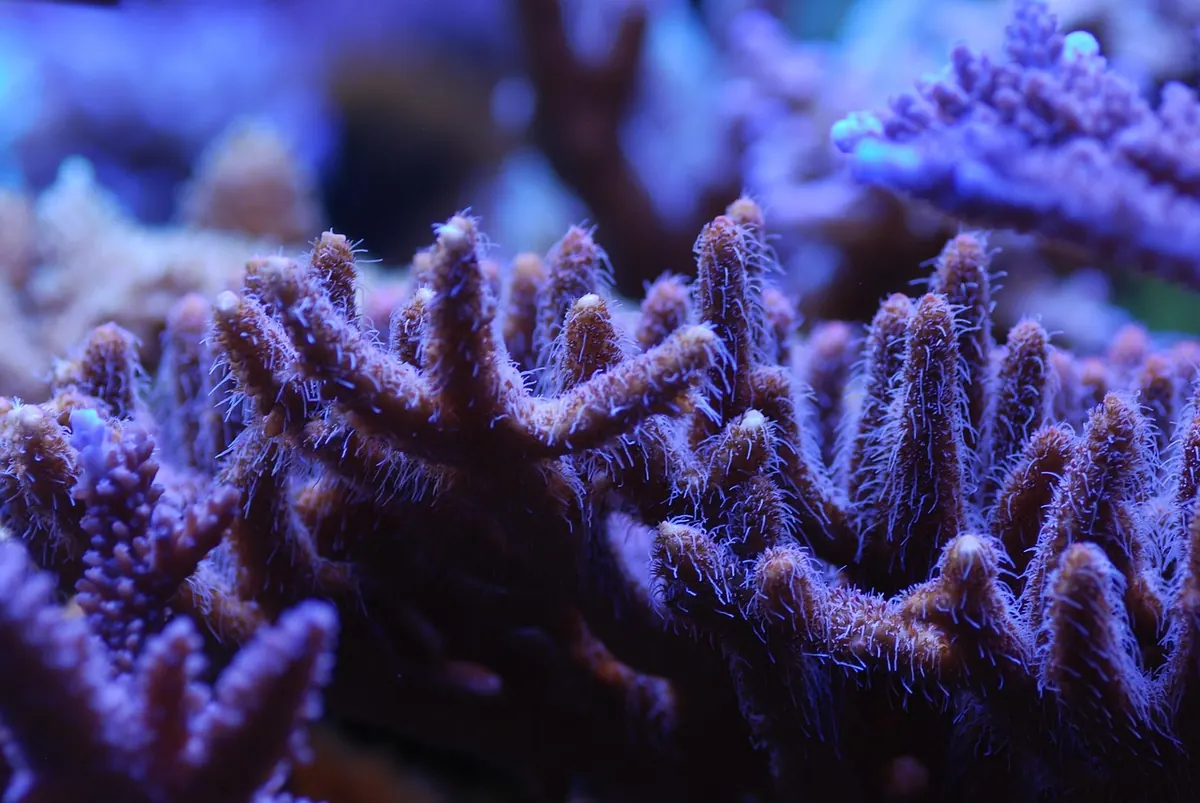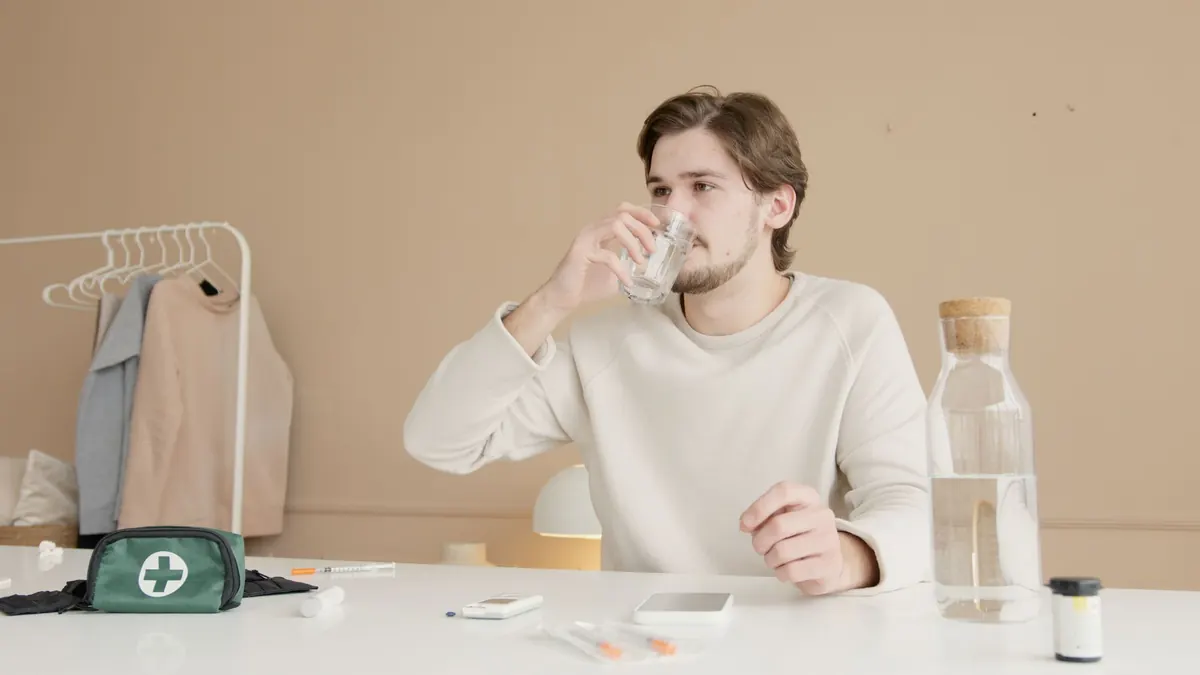
Most marine emergencies pick their moment: a Sunday evening, the lights already dimming, the nearest shop shut until Tuesday. A fish is gasping at the surface, a frag has stripped its tissue overnight, or the ammonia badge has shifted to a shade of green you have never seen before and never want to see again. In those moments, the difference between a bad week and a lost tank is rarely knowledge — you can look up the fix. It is what is already sitting on the shelf.
A marine first aid kit is not a cabinet full of expensive bottles. It is a small, deliberate collection of supplies that lets you stabilize the system first and diagnose second. Everything below is chosen because it addresses one of four things: water quality, temperature, oxygen, or infection. Get those four under control and you have bought yourself hours — often days — to work out what actually went wrong.
The 12 Supplies to Keep on Hand
1. An Ammonia Alert Badge
A continuous-reading badge costs about as much as a coffee and lasts roughly a year. Unlike a test kit, it is always working — you glance at it while feeding and see yellow, safe green, or alarm. Keep one in the display tank and one in any hospital or quarantine tank. Replace it the moment the color refuses to return to yellow after a water change.
2. An Ammonia-Detoxifying Conditioner
Products like Prime, AmGuard, or Amquel temporarily bind free ammonia into a less toxic form. They do not remove it, and they are not a substitute for a water change — but they can hold a spike at bay for 24 to 48 hours while you mix new saltwater. Keep a bottle sized for your system, not a travel vial.
3. A Battery-Powered Air Pump
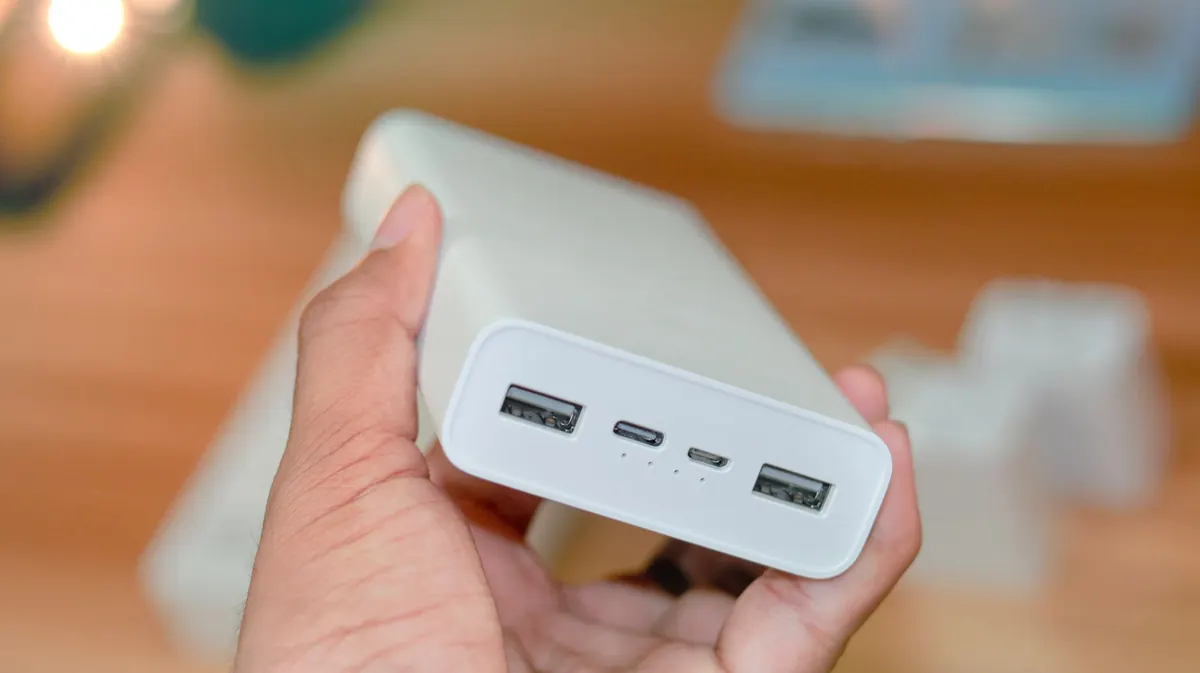
Power outages kill more reef tanks than disease. A battery-operated air pump, a length of airline, and two air stones can keep circulation and gas exchange going for days. Rechargeable USB models are convenient, but the D-cell versions are the ones that still work on day three.
4. A Spare Heater
Heaters fail in both directions, and a stuck-on heater can cook a tank overnight. Keep a correctly sized spare, plus a separate heater controller. A controller with an audible alarm is arguably more valuable than the heater itself.
5. A Second Thermometer
You cannot trust a heater that is also the thing reporting its own temperature. A cheap glass or digital thermometer cross-checks it. When the two disagree by more than a degree, believe the independent one.
6. Pre-Mixed Saltwater and RODI Water
Store at least 10 to 20 percent of your total volume as heated, aerated saltwater, plus fresh RODI for top-off. This single item turns most emergencies from a crisis into an inconvenience. Label the containers and date them; still water goes stale.
7. A Refractometer and Calibration Fluid
Swing-arm hydrometers drift badly, and salinity creep is one of the most common causes of "mystery" coral decline. A refractometer calibrated with proper solution removes that variable entirely.
8. A Full Test Kit Panel
Ammonia, nitrite, nitrate, pH, alkalinity, calcium, magnesium, and phosphate. The reef-specific kits matter here — a freshwater ammonia test will not read correctly in saltwater. Check expiry dates; reagents go bad quietly and give you false confidence.
9. A Coral Dip
An iodine-based or equivalent dip handles pests and surface infections on new frags and on colonies that start to recede. Keep two small containers, a spare air stone, and enough tank water on hand to actually perform the dip at 8 p.m. without scrambling.
10. Fish Medications
A reasonable core: an antibiotic such as kanamycin or nitrofurazone, praziquantel for flukes and worms, and metronidazole for internal parasites. Copper is the workhorse for marine ich and velvet — but it belongs only in a quarantine tank, because it is lethal to invertebrates and will bind to rock and sand.
11. Hospital Tank Supplies
A 10- to 20-gallon tank, a seeded sponge filter, a few PVC elbows for hiding, a lid, a small heater, and its own ammonia badge. Store it assembled and ready. The best hospital tank is the one you can fill with tank water in ten minutes.
12. Hand Tools and Cleanup Gear
Reef-dedicated buckets, a siphon hose, a turkey baster, long forceps, nitrile gloves, an old towel or two, and a bright headlamp. Add a notebook. You will forget the parameters you measured an hour ago, and patterns only appear when they are written down.
Keep the kit boring. The best first aid purchase is the one you never open — but when you do, everything in it should be familiar, in date, and exactly where you left it.
How to Store and Maintain the Kit
Buying the supplies is the easy half. Keeping them usable is what separates a real kit from a shelf of expired bottles.
- Location: cool, dark, and reachable in bare feet at midnight. Not the shed that freezes, not the cabinet above the tank where spilled water ruins everything.
- Quarterly check: test the battery pump, run the spare heater in a bucket, check reagent expiry dates and calibration fluid levels.
- Annual rotation: replace the ammonia badge, expired medications, and any test kit that has been open for more than a year.
- Documentation: keep a printed card in the kit with your tank volume, target salinity, normal dosing, and the phone numbers of a local reef club and an exotic-aquatics vet.
The First Fifteen Minutes: A Simple Order of Operations
When something goes wrong, panic dosing does more damage than the original problem. Work in this order:
- Observe before you touch anything. Count fish. Look for gasping, flashing, rapid breathing, or sliming.
- Test the basics. Ammonia, nitrite, temperature, salinity, pH. Write the numbers down.
- Change water. A 25 percent water change resolves more marine emergencies than any single bottle on the shelf.
- Restore oxygen and flow. Point a powerhead at the surface and add an air stone.
- Isolate the affected animal if it can be caught without wrecking the aquascape.
- Treat only what you have identified — and never mix medications blindly in a display tank.
Build the kit once, maintain it four times a year, and the Sunday-night emergency becomes something you handle with a sigh instead of a scramble. Your tank will not thank you. But it will still be there on Tuesday.
Photo: Artem Podrez / Pexels